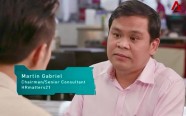
Welcome To HRmatters21
Practicing HR in Singapore is indeed challenging. HRmatters21 strives to foster a cooperative network among Human Resource Professionals, as well as to cultivate a sense of community bonding. The HR online forum provides an opportunity for seasoned as well as new HR Professionals to discuss, share their knowledge and experience with each other. HR Practitioners would benefit from the discussions, as they observe and learn the difficulties others faced, and the strategic methods used to resolve daily HR problems. In addition, we also welcome those who aspire to be part of the vocation, by joining the HRmatters21 online community. This platform benefits all HR employees by giving them a friendly resource, where they can benefit from the coaching, guidance and encouragement a vibrant network could provide.
The Training programmes offered by HRmatters21 are based upon best practises. Our programmes are cost effective and result oriented. Our trainers have vast experience in their respective field, including hands-on experience in whichever discipline they specialise in. Join HRmatters21 online forum or register yourself to one of our excellent training programmes. At HRmatters21, your success is our success.
To find out more about HRmatters21, please e-mail to: gabrielm@singnet.com.sg
HR Updates
Man made to retire without notice or payment wins S$26,350 in claims against employer


Featured Articles
Why Older Workers Are Retrenched First and Find It Difficult to Return to Employment